
Mercedes-Benz Oxygen Sensors
A Mercedes-Benz oxygen sensor measures the amount of oxygen in your vehicle’s exhaust, allowing the engine control module to adjust the air-fuel mixture for optimal performance and emissions. These sensors play a key role in monitoring conditions both before and after the catalytic converter. Since many Mercedes-Benz engines use several oxygen sensors, choosing the correct replacement involves more than just knowing your vehicle’s year. Engine type, exhaust bank, and sensor location all influence which sensor will fit and function properly.
If an oxygen sensor is confirmed to be faulty, replacing it helps restore accurate feedback to your engine management system. It can resolve issues related to fuel mixture or emissions. Genuine Mercedes-Benz O2 sensors are built to match the original connectors, wiring lengths, and mounting points for each specific model. This precise fit makes installation more straightforward and reduces the risk of compatibility problems compared to universal alternatives.
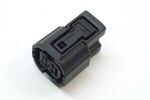
Pin Housing

Coupling, Mechanical

Seal

Electric Line

Clamp

Upper Hose Front Bracket
Single-Wire Seal
No results found for "oxygen sensor". Here are some helpful search tips:
- Search by a part name. Example: water pump.
- Be less specific. Example: brake instead of ceramic brake.
- Remove information such as make, year or model.
- Can't find the part you are looking for? Contact us and we'll find it for you!
Shop Smarter for a Mercedes-Benz Oxygen Sensor Replacement
TL; DR: Start with the diagnostic location, not just the vehicle name. A Mercedes-Benz may have several O2 sensors that differ by bank and position. Match the replacement to the exact engine and sensor location, then confirm the part against VIN or catalog fitment data whenever possible.
A faulty oxygen sensor can trigger a warning light, set an emissions-related diagnostic code, cause changes in fuel economy, or lead to inconsistent engine performance. It’s important to use the fault code as a starting point for diagnosis, not as a guarantee that the sensor itself has failed. Since oxygen sensors report on exhaust conditions, problems elsewhere in the system can sometimes make a working sensor appear faulty.
Read the Clues Around the Fault Code
Fuel-trim codes are a good example. Unmetered air entering through the air intake system can create a lean condition that changes O2 readings. Uneven fueling may instead involve fuel injectors. If timing or engine-position codes appear at the same time, reviewing the camshaft position sensors can help separate an oxygen-sensor issue from a broader engine-management problem.
Sensor Position Matters More Than Appearance
Oxygen sensors located before the catalytic converter mainly control the engine’s fuel mixture, while those after the converter monitor how well the catalyst is working. On engines with more than one cylinder bank, Bank 1 and Bank 2 further identify sensor locations. It’s common for two sensors to look nearly identical but have different wire lengths or routing needs. Relying on appearance alone can lead to installation problems, even if the sensor threads in correctly.
Check the Exhaust Before Installing a New Sensor
A small exhaust leak can draw outside oxygen into the exhaust stream and produce misleading readings. Inspect nearby joints and sealing surfaces, especially if you hear ticking or notice soot around a connection. Damaged exhaust gaskets should be addressed before concluding that new sensor readings are incorrect.
Contamination also matters. Oil reaching hot exhaust components may shorten component life or create odors that complicate diagnosis. If leakage is visible under the engine, checking related sealing components, such as oil pan gaskets, can help identify the source rather than treating only the symptom.
Why Genuine OEM Is a Practical Choice
The right Mercedes-Benz oxygen sensor is the one specifically engineered for your vehicle’s application. Genuine OEM sensors are designed to fit without the need for splicing wires, adapting connectors, or dealing with mismatched cable lengths. Choosing an OEM sensor helps ensure proper fit and function, making installation more predictable and reducing the chance of compatibility issues.
Key Takeaways
- Use the diagnostic bank and sensor position when selecting a replacement.
- A lean code does not automatically mean the oxygen sensor has failed.
- Exhaust leaks can introduce outside air and distort sensor readings.
- Wire length and routing are meaningful fitment details, not minor differences.
- VIN-based verification adds confidence when multiple sensors are listed for one model.
Mercedes-Benz O2 Sensor FAQs
Should I replace an oxygen sensor as soon as a code appears?
Confirm the diagnosis first. Intake leaks, fueling faults, misfires, or exhaust leaks can sometimes produce codes involving oxygen-sensor readings.
What does Bank 1 Sensor 2 mean?
“Bank 1” identifies one side or cylinder group of the engine. In contrast, “Sensor 2” generally refers to the sensor located after the catalytic converter for that bank.
Can upstream and downstream Mercedes-Benz oxygen sensors be swapped?
Do not assume they are interchangeable. Their calibration, connector, wiring length, and assigned function may differ. Verify the exact application before purchase.